Commercial removals Campden Hill Road Holland Park
Posted on 05/06/2026
Commercial removals Campden Hill Road Holland Park: a practical guide for smoother business moves
If you are planning Commercial removals Campden Hill Road Holland Park, you are probably juggling more than boxes and tape. There are staff to coordinate, equipment to protect, access issues to think through, and usually a clock ticking in the background. In a place like Campden Hill Road, where roads can be busy and buildings can be a bit awkward in all the usual London ways, the difference between a calm move and a chaotic one often comes down to preparation.
This guide breaks the process into clear, usable steps. You will find what commercial removals involve, why local knowledge matters, how the move is usually managed, and where businesses often trip up. We will also cover compliance, practical planning, and the kind of decisions that make a move feel controlled instead of endless. Truth be told, a good commercial move is rarely glamorous. But it can be tidy, efficient, and far less stressful than people expect.
Why Commercial removals Campden Hill Road Holland Park Matters
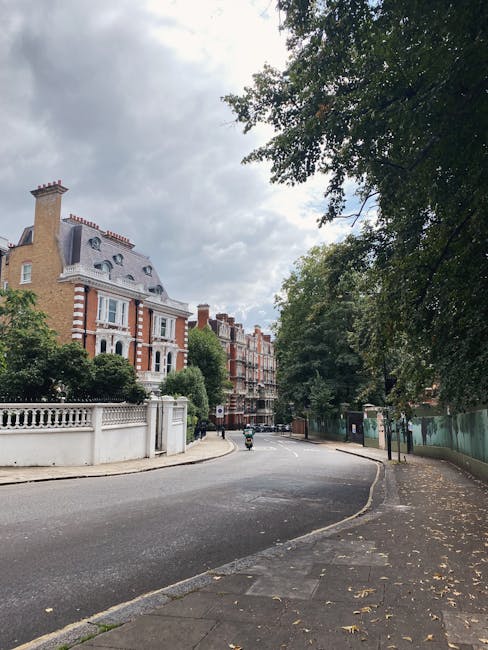
Commercial moving is not just a bigger version of a home move. The stakes are different. A delayed office relocation can mean missed calls, idle staff, disrupted trading, unhappy clients, and a messy first day in the new premises. On Campden Hill Road and around Holland Park, the physical setting adds another layer: narrow access points, shared entrances, parking limits, loading considerations, and the simple fact that some buildings were not designed with modern logistics in mind.
That is why local commercial removals need more than a van and a few strong arms. They need planning, route awareness, building access checks, careful sequencing, and a team that can work around real-life restrictions without making a song and dance about it.
For businesses nearby, this matters even more if you are moving client-facing operations. A practice, design studio, consultancy, estate office, or boutique retailer may need to keep downtime to an absolute minimum. One half-finished move can ripple through the whole week. And in an area where first impressions count, arriving organised matters a lot.
Expert summary: A successful commercial move in Holland Park is less about brute force and more about preparation, timing, protection of assets, and clear communication before anyone lifts a single crate.
If you are also comparing the wider local service landscape, it can help to review the broader removal services in Holland Park and see how commercial work fits alongside office, furniture, and storage options.
How Commercial removals Campden Hill Road Holland Park Works
Most commercial removals follow a similar shape, though every business has its own quirks. A straightforward office might only need furniture, IT equipment, and archived files moved. A more complex commercial relocation may involve workstations, displays, stock, specialist equipment, secure document handling, and a strict handover window. The move should always be built around your operating needs, not the other way round.
Typically, the process begins with an assessment. That may be a site visit or a detailed remote discussion, depending on the scale of the move. The key questions are simple enough, but important: what is moving, what needs special handling, what access is available, and what can be moved ahead of time without disrupting business? Those questions sound obvious. They are often skipped. And that is where problems start.
From there, the team will usually plan the order of operations, identify protective materials needed, and schedule the removal to reduce business interruption. If you are moving out of an office building, the building manager may need notice for lift use, loading bay access, or out-of-hours entry. That can affect timing quite a bit.
A typical commercial move might involve:
- site assessment and move planning
- packing fragile or sensitive items
- labelling departments or work zones clearly
- disconnecting and protecting equipment
- safe loading and transport
- placement at the destination by floor or team
- unpacking support where needed
For larger or mixed-use premises, you may also need storage at short notice. In that case, secure storage in Holland Park can help bridge the gap if your new site is not ready on time. That happens more often than people admit, especially in London.
Key Benefits and Practical Advantages
There are a few obvious benefits to using a structured commercial removals service, but the real value often sits in the less visible details. Yes, you save time. Yes, you reduce the physical strain on staff. But just as importantly, you reduce the little failures that turn into expensive headaches later.
Less downtime
When the move is properly sequenced, your team can carry on working for longer and return to normal sooner. In practical terms, that means fewer lost hours and less pressure on the first day in the new space.
Better protection for equipment
Commercial furniture, monitors, printers, stock, files, and specialist items all need different handling. A desk can take a knock. A server, not so much. Proper wrapping, handling, and loading reduce the risk of damage, and that matters whether you are moving across the street or across W11.
Cleaner coordination
A good move feels almost boring. That is the goal. Labels make sense. People know where things are going. Boxes arrive in the right place. No one is asking where the scanner went ten minutes before opening time. Lovely, really.
More predictable budgeting
Commercial relocations often become expensive because of avoidable delay. Clear planning, accurate inventories, and realistic scheduling help keep the budget under control. If you need help understanding pricing structures, it is worth checking pricing and quotes before making assumptions based on an old move or a neighbour's story.
Reduced stress for your team
Staff members do not all need to become amateur removals coordinators for the day. When the process is managed properly, they can focus on their own jobs and arrive at the new site with some energy left in the tank.
Who This Is For and When It Makes Sense
Commercial removals around Campden Hill Road suit any business that needs to relocate operations without losing control of the day-to-day. That might be a small office moving one floor up, a clinic changing premises, a creative agency consolidating teams, or a retailer shifting stock and fixtures to a new location nearby.
It also makes sense if your move has any of the following features:
- you have IT equipment or sensitive documents
- your building has restricted access or shared entrances
- you need to move outside working hours
- you want staff disruption to stay low
- you have bulky furniture, shelving, or specialist items
- you are working to a landlord deadline
Some businesses try to manage the whole thing with internal staff and a van. Sometimes that works for very small moves. But if there is customer service to maintain, equipment to protect, or a building timetable to follow, you usually benefit from a more structured approach.
If your move is mainly office-based, office removals in Holland Park may be the closest fit. If you are also relocating domestic items alongside work equipment, then mixed-use planning becomes important rather quickly.
And if your operation is smaller, perhaps a single-site business or a short-hop relocation, a man and van service in Holland Park may be enough. Not every move needs a large team. A sensible fit is better than an overcomplicated one.
Step-by-Step Guidance
Here is the cleanest way to approach a commercial removal on or near Campden Hill Road. It is not fancy, but it works.
- Audit everything that is moving. Start with a list of furniture, IT equipment, archive boxes, stock, and special items. If you do not know what is moving, it is almost impossible to plan the job properly.
- Decide what can be discarded, donated, recycled, or stored. Businesses often move junk because they are in a hurry. That only creates more work on the other end.
- Check access at both sites. Look at stairs, lifts, entrances, loading options, and any restrictions. A site that looks simple in the daylight can be a nuisance at 7am with traffic building up.
- Plan around trading hours. If the business needs to keep running, you may need evening, weekend, or phased relocation. That is normal in London.
- Label clearly. Use department names, floor numbers, and room destinations. Handwritten labels are fine as long as they are legible and consistent. Fancy labels do not move boxes any better.
- Protect fragile and high-value items. Wrap screens, remove loose parts, secure drawers, and back up digital files before the move date. It sounds basic. People still forget.
- Confirm insurance and safety arrangements. This is one of those unexciting steps that saves everyone grief later.
- Keep a move-day contact person available. One decision-maker on site prevents a lot of unnecessary back-and-forth.
- Walk through the new layout after delivery. Do not just drop everything in the general direction of the right room. Put things where they will actually be useful.
A small but useful tip: make the first box at the new site the "day one box." Pens, chargers, keys, basic stationery, kettle supplies if that is your thing, and any essentials. People always thank you for that one, even if nobody says it out loud.
Expert Tips for Better Results
The best commercial moves are won before moving day. A few decisions early on save a lot of friction later.
Choose a move window that matches your operation
If your business slows down in the early morning or late evening, use that to your advantage. Moving outside peak hours can reduce traffic complications and make handovers less stressful. In a place like Holland Park, even a small timing adjustment can matter.
Keep IT handling separate from general furniture
Computers, monitors, cables, routers, and storage devices should be handled deliberately. Do not leave them mixed in with desk legs and spare office chairs. That is where missing parts tend to appear.
Make the floor plan realistic
It is tempting to idealise the new office layout in advance. But if a corridor is narrow or a meeting room needs to remain clear, you may need a more practical arrangement. Good removals teams often work from the actual constraints rather than the wish list.
Use staging areas
A staging area is simply a place where items are grouped before loading or after unloading. It keeps the move moving. You will notice a big difference when boxes are not scattered through every room like confetti.
Build in a little slack time
Not too much. Just enough. A move that is scheduled to the minute with zero buffer tends to become stressful very quickly. An extra hour in hand can save the day when traffic, access, or paperwork slows things down.
If your business also needs packing materials or hands-on help preparing boxes, packing and boxes support can make the early stages much easier.

Common Mistakes to Avoid
It is fair to say that most move problems are predictable. They do not arrive out of nowhere. They creep in through poor planning, vague communication, or assumptions that one person has "probably" sorted it.
- Leaving packing until the last minute. This is a classic. It always looks manageable until it suddenly, very much, is not.
- Ignoring access restrictions. A van may be ready, but if a lift booking or loading bay permit is missing, the whole schedule can wobble.
- Failing to label properly. Unlabelled boxes are the fastest route to frustration on arrival.
- Underestimating IT complexity. Even small offices can have surprisingly awkward hardware setups.
- Not planning for storage. If your new site is delayed, you need a backup plan.
- Forgetting staff communication. People need to know when to pack, what to take home, and where they should be on the move day.
One more thing: do not treat a commercial move like a private errand with a bigger van. Different logic. Different risk. Different consequences.
Tools, Resources and Recommendations
You do not need a warehouse full of specialist gear to manage a commercial move well, but a few practical tools go a long way. Most of them are simple. That is the point.
- Inventory sheet: helps track what is moving, staying, or going into storage.
- Label system: room, floor, department, and priority level.
- Colour-coded tape or stickers: useful for larger offices with multiple destinations.
- Protective wrap and blankets: for furniture, screens, and awkward items.
- Document boxes: especially useful where confidentiality matters.
- Floor plan copies: give one to the movers, one to reception, and one to whoever is making decisions on the day.
For business owners comparing move formats, the wider services overview is a useful way to see how commercial removals sit alongside other moving support. If your move includes a broader property journey, you may also find the general Holland Park removals page helpful as a starting point.
Some clients also like to look at local context before moving, especially if they are relocating a customer-facing business. The area has its own pace and property feel, which comes through in the property market in Holland Park and the local advice on living in Holland Park. That kind of context can shape move timing and premises choice more than people expect.
Law, Compliance, Standards, or Best Practice
Commercial removals involve practical risk, so compliance and best practice matter. You do not need to turn the move into a legal project, but you do need to treat safety and documentation seriously.
In the UK, businesses should think carefully about health and safety responsibilities, safe lifting, safe access, and the handling of electrical or fragile equipment. If your move includes confidential files, you also need a sensible chain of custody so sensitive information is not left in the wrong place. No drama, just good housekeeping.
Best practice usually includes:
- clear move planning and responsibility allocation
- safe manual handling and team briefing
- appropriate protection for floors, furniture, and doorways
- insurance awareness for goods in transit and handling
- secure treatment of documents and IT assets
- compliance with building rules, access slots, and local parking restrictions
If safety is a major concern, take a look at the company's insurance and safety information and health and safety policy. Those pages are useful because they help you understand how risk is managed before anyone turns up with boxes and a trolley.
For businesses with sustainability targets, move planning is also a chance to reduce waste. Reuse packing where possible, separate recyclable materials, and avoid throwing away furniture that still has life in it. A more responsible move usually costs less in landfill and effort, which is a decent bonus.
If your organisation wants to understand its wider duty-led practices, the recycling and sustainability page and the company's modern slavery statement show the sort of standards many clients now expect from professional providers. It is not just box-ticking, either. People do notice.
Options, Methods, or Comparison Table
Different business moves call for different approaches. The right method depends on your volume, timing, access, and budget. Here is a straightforward comparison.
| Method | Best for | Strengths | Watch-outs |
|---|---|---|---|
| Full commercial removal team | Larger offices, complex relocations, multi-room moves | Structured, efficient, suitable for sensitive or bulky items | Needs more planning and usually a bigger budget |
| Man and van | Smaller businesses, light equipment, short local moves | Flexible, practical, often quicker to arrange | Less suitable for larger or highly coordinated moves |
| Phased move with storage | Businesses waiting on fit-out or handover timing | Reduces pressure when sites are not aligned | Needs careful labelling and clear inventory control |
| Same-day support | Urgent relocations or unexpected timing changes | Useful when plans shift suddenly | Not ideal for large, complex setups unless the scope is narrow |
If the move is urgent, same-day removals in Holland Park may help, though it is usually best reserved for straightforward requirements rather than full-scale business relocations. And if the move is compact and local, man with a van in Holland Park can be a sensible middle ground.
Case Study or Real-World Example
Here is a realistic scenario from the kind of move businesses around Campden Hill Road often face.
A small professional services firm needed to leave a first-floor workspace and move to a nearby property in Holland Park. The team had desks, two meeting tables, client files, monitors, and a reception area that had to stay functioning until the final afternoon. They did not want a long closure. Fair enough.
The move was broken into phases. First, non-essential items were packed and labelled by department. Then archives and spare furniture were moved ahead of the final working day. The IT equipment stayed in place until close of business, then was wrapped, tested, and moved last. The new site had a slightly awkward access point, so the team used staged unloading and kept walkways clear. That little adjustment saved time, honestly.
What made the difference was not a miracle or a clever trick. It was simple coordination: clear labels, a realistic schedule, and one decision-maker onsite. The business reopened the next day with minimal disruption. Not glamorous. Very effective.
That sort of outcome is exactly what commercial removals should aim for. Smooth, predictable, and quiet in the best sense.
Practical Checklist
Use this checklist to stay on track before your move day.
- Confirm move date, access times, and building permissions
- List every item that needs to move
- Separate furniture, IT, documents, and special items
- Decide what will be stored, recycled, or discarded
- Label boxes clearly by department or destination
- Back up important digital files
- Pack an essentials box for day one
- Notify staff of timings and responsibilities
- Check insurance and safety arrangements
- Make sure the new site has a clear floor plan
- Book any specialist support early if you have heavy or delicate equipment
- Keep one person available to answer questions on the day
If your business has awkward items such as artwork, upright pianos, or unusual fixtures, specialist handling may be needed. A general removals plan is good; a tailored one is better. Sometimes much better.
In that situation, the piano removals service and furniture removals support can be useful reference points for planning how specialist items should be managed.
Conclusion
Commercial removals on Campden Hill Road in Holland Park work best when they are treated as a business continuity task, not just a transport job. The more clearly you plan the move, the smoother it tends to feel. That means understanding access, protecting equipment, labelling properly, and choosing the right support for the scale of the job.
For local businesses, the aim is simple: move once, move well, and get back to work without unnecessary drama. A good removals plan should give you confidence, not more noise. And if it can do that in a busy part of London, even better.
Get a free quote today and see how much you can save.
If you are comparing providers, local removal companies in Holland Park are worth reviewing with a close eye on service fit, safety, and communication. The best choice is usually the one that makes your move feel manageable from the first conversation.
At the end of the day, a well-run move gives you something rare: a clean start. And that feels good, doesn't it?