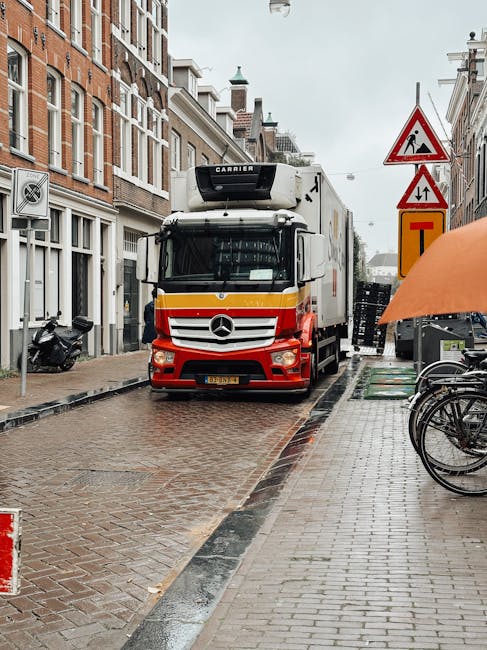
What to know about narrow access removals in Holland Park
Posted on 13/06/2026
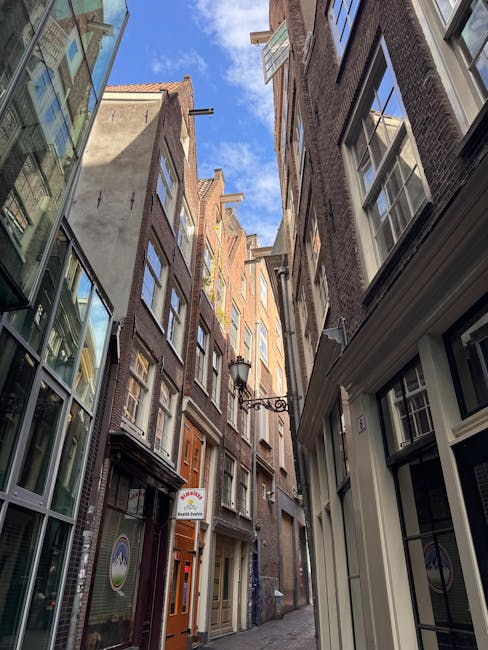
If you are planning a move in Holland Park, there is a good chance your biggest challenge is not the packing, but the access. Narrow hallways, tight staircases, basement flats, garden mews, awkward entry gates, and parked cars can turn a straightforward relocation into a bit of a puzzle. That is exactly why narrow access removals in Holland Park need a different kind of planning.
This guide explains what narrow access removals involve, why they matter in a local area like Holland Park, and how to prepare so your move stays calm, safe, and efficient. We will look at practical methods, common mistakes, compliance points, and the sort of decisions that can save you time, stress, and yes, a few bruised knuckles. Let's face it, nobody wants the sofa to win.
Why What to know about narrow access removals in Holland Park Matters
Holland Park has a lot going for it: elegant homes, period conversions, apartments tucked behind handsome facades, and a pace that feels calmer than much of central London. But those same characterful properties often come with limited access. In plain English, that means moving day can be trickier than the photos on the estate agent listing suggest.
When access is narrow, even a well-organised move can slow down if nobody has considered the route from van to front door. A two-bedroom flat on an upper floor can suddenly become a stairwell management exercise. A bulky wardrobe might fit in the property, but not through the landing. A parking restriction can add another layer. It all matters because removals are not just about lifting and carrying; they are about sequencing, risk control, and making sure everything arrives intact.
We see this especially in London properties where street space is tight and internal layouts are less forgiving. If your home is close to busy roads or tucked away near the park, it is worth treating access as a core part of the move plan, not a side note. That little shift in thinking makes a big difference.
Key takeaway: narrow access removals are about fitting the move to the property, not forcing the property to fit the move.
How What to know about narrow access removals in Holland Park Works
A narrow access move usually starts with a survey, either in person or through clear photographs and measurements. The aim is to understand the width of doors, staircases, lifts, landings, corridors, and the outside approach from the vehicle. If you are moving from a flat, a mews house, or a conversion with sharp turns, this assessment matters a lot.
The moving team then decides on the best method. Sometimes the answer is a smaller vehicle, which is why a man with a van in Holland Park can be a practical fit for lighter or shorter moves. In other cases, the job needs more than one mover, protective equipment, and a careful carry plan. For larger or more complex relocations, a full removal service in Holland Park may be the smarter route.
The load-out sequence also changes in narrow spaces. Items may need to be wrapped differently, dismantled before carrying, or moved in a strict order so that the largest objects go first. Sometimes the most efficient thing is actually to remove one awkward item at a time and keep the route clear, rather than trying to rush. Rushing in a tight hallway is where mistakes happen. And nobody enjoys watching a wall corner disappear under a scarred bit of paint.
Good narrow access removals often include:
- route planning from property to vehicle
- measuring furniture against doors and stairwells
- careful packing and padding for delicate edges
- protective coverings for floors, bannisters, and thresholds
- smart loading order inside the van
- contingency planning if access is even tighter than expected
Key Benefits and Practical Advantages
The obvious benefit is that a properly planned move is safer. But in reality, the advantages go well beyond that.
1. Less damage risk
When a mover understands the access constraints in advance, they can bring the right equipment and avoid forcing oversized items through spaces they were never meant to pass through.
2. Better timing
Narrow access moves are usually slower than standard ones, but planning helps reduce unnecessary delays. That can matter if you are managing a building, a parking window, or an end-of-tenancy deadline.
3. Lower stress
There is something quietly reassuring about knowing the crew has already thought through the staircase, the entrance, and the vehicle parking. You feel it on the day. The move feels controlled.
4. More accurate quoting
Access details help remove guesswork. That means fewer surprises when it comes to manpower, vehicle size, packing materials, or whether furniture needs disassembly.
5. More suitable service selection
Not every move needs the same setup. A student studio, for example, may suit a smaller vehicle and a quicker turnaround, while a family move with heavy furniture may need a fuller team and additional support such as furniture removals in Holland Park.
In our experience, the best narrow access moves are the ones where the preparation feels slightly overdone. That is usually a good sign. It means the hard stuff has already been solved before anyone picks up a box.
Who This Is For and When It Makes Sense
Narrow access removals are not just for grand houses with awkward staircases. They make sense for a surprisingly wide range of people and properties.
You may need this if you are:
- moving from a flat with a tight internal staircase
- living in a converted townhouse with narrow landings
- using a mews property with restricted vehicle access
- moving a piano, sofa, wardrobe, or other oversized item
- working to a fixed handover time with little flexibility
- moving in or out of a building where parking is limited
- planning a same-day or short-notice relocation
It also makes sense if you are balancing a busy calendar. People moving in Holland Park are often juggling work, family, school runs, or property chain deadlines. If that sounds familiar, using a team that understands local access patterns can save a lot of back-and-forth.
If your move includes a special item, such as an upright or baby grand, the access question becomes even more important. A dedicated piano removals service in Holland Park is worth considering because pianos are awkward, heavy, and not remotely forgiving. Truth be told, they have very strong opinions about staircases.
Step-by-Step Guidance
If you want the move to go smoothly, treat it like a sequence rather than a single event. Here is a practical way to approach it.
- Measure everything that matters
Check door widths, stair width, turning points, lift dimensions, and the distance from van to entrance. Take photos if possible. A quick set of pictures often reveals problems that a written description misses. - Identify the awkward items
List the pieces most likely to cause trouble. This usually includes beds, wardrobes, sofas, desks, mirrors, and anything made of glass or marble. - Decide what can be dismantled
Sometimes taking furniture apart is the difference between a smooth carry and a stalled corridor. Flat-pack items are usually easier, but solid furniture may need proper handling. - Book the right type of vehicle and crew
Smaller vehicles are often better for tight streets, while extra movers help with carrying and coordination. If the access is especially tight, speak clearly about it early. - Protect the property
Flooring, bannisters, door frames, and corners should be protected where needed. This is especially helpful in period homes where original finishes can be more delicate. - Clear the route before moving day
Hallways cluttered with bags, recycling, prams, shoes, or plants can make a narrow job feel far narrower. Clear it all. You will thank yourself later. - Plan parking and arrival times
Access is not only internal. If the van cannot stop close enough, the whole schedule may slide. A little planning here goes a long way. - Keep a contingency buffer
Things change. A lift may be out of service. A neighbour may be loading in the same bay. A piece of furniture may be larger than expected. Build some room into the day.
If you are still comparing providers, it helps to look at the wider picture too. The right mover should explain their process clearly, not just quote a number and hope for the best. A quick browse of the services overview can be a useful starting point for understanding how different types of moves are handled.
Expert Tips for Better Results
A few small decisions can make a narrow access move noticeably easier.
- Send photos, not just descriptions. Words like "tight" and "a bit narrow" are helpful, but a picture of the staircase or entrance is far better.
- Measure the biggest item first. If the sofa cannot turn the corner, you need to know before moving day. Not after the third attempt.
- Use proper wrapping on sharp edges. Corners on wardrobes, tables, and bed frames often scrape paint or fabric in tight spaces.
- Keep one person free to direct traffic. In narrow access situations, having someone guide the route is surprisingly useful.
- Separate essentials early. Put documents, chargers, keys, medication, and a kettle in an easy-to-reach bag. The kettle always earns its keep on moving day.
- Ask about storage if timing is tight. If there is a gap between moving out and moving in, short-term storage can reduce pressure. A local storage solution in Holland Park can be useful for staged moves or delayed access.
One more thing: if you are moving office equipment, the same access logic applies, only more so because desks, chairs, archive boxes, and IT items tend to arrive in clusters. For commercial relocations, office removals in Holland Park may need even stricter planning to keep downtime low.
Common Mistakes to Avoid
Most problems with narrow access removals are predictable. That is the good news. The bad news is that they are still very easy to repeat.
Underestimating the staircase
A lot of people measure the front door and stop there. But the stair landing, the bend, and the ceiling height can be the real issue.
Assuming every item can stay assembled
That bulky wardrobe might need to come apart. So might the bed base, dining table legs, or headboard. If a piece looks awkward, it probably is.
Leaving packing too late
Poorly packed boxes are harder to carry and more likely to split in a tight corridor. Strong packing makes a narrow move much less stressful. If you need help there, packing and boxes support in Holland Park can be a sensible part of the plan.
Ignoring building rules
Some buildings have specific requirements for lift protection, loading times, or access arrangements. If you do not check them early, you can end up with avoidable delays.
Choosing the wrong service for the job
A small van is great for compact loads, but if you have multiple heavy items, you may need a fuller setup. On the other hand, booking a large vehicle for a tiny access route can be equally clumsy.
Not allowing for weather
A bit of rain in London changes the feel of a move. Wet steps, slippery surfaces, and damp boxes all slow things down. Nothing dramatic, just enough to matter.
Forgetting the "final metre"
The distance from vehicle to front door may be short on paper, but it still needs carrying. That last stretch often decides whether a move feels easy or messy.
Tools, Resources and Recommendations
You do not need a van full of specialist gear for every move, but the right tools help a lot when access is tight.
- Measuring tape for doors, furniture, stairwells, and vehicle space
- Furniture blankets and protective wrap to reduce scuffs and knocks
- Floor runners or coverings for hallways and entry points
- Tools for disassembly such as screwdrivers, Allen keys, and labelled bags for fittings
- Strong boxes and tape for items that need to be carried one-handed
- Load straps for secure van loading
- Labels so boxes and parts do not get mixed up mid-move
If you are deciding between providers, the most useful resource is often their own explanation of how they work. A clear overview of removal companies in Holland Park can help you understand what to ask for, what to compare, and what to expect. You may also want to review insurance and safety information so you know how property protection is handled.
For some moves, especially where timing or budget is tighter, a man and van in Holland Park is a good middle ground. For more urgent situations, same-day removals in Holland Park may be useful, provided the access details are clear from the start.
Law, Compliance, Standards, or Best Practice
Move planning in the UK usually sits under a mix of common-sense safety practice, property rules, and transport awareness rather than one single rulebook. For narrow access removals, the most important thing is not memorising regulations. It is making sure the move is arranged responsibly.
Good practice typically includes:
- safe manual handling, especially for heavy or awkward loads
- careful lifting techniques and team coordination
- vehicle loading that keeps items stable and secure
- reasonable protection for floors, walls, and doors
- clear communication with the customer about constraints
- respect for building access rules and neighbours
For commercial work, there may be additional expectations around building management, access times, and health and safety planning. A move that affects business operations benefits from better scheduling and more detailed coordination, which is one reason commercial clients often ask about commercial removals near Campden Hill Road when their premises sit in tighter urban streets.
It is also sensible to choose a provider that explains its policies clearly. Pages such as health and safety policy, terms and conditions, payment and security, and privacy policy can tell you a lot about how the company operates, even before you speak to anyone. That sort of transparency is not flashy, but it matters.
Options, Methods, or Comparison Table
Different access problems need different solutions. The table below gives a simple way to think about your options.
| Approach | Best for | Strengths | Limitations |
|---|---|---|---|
| Small van and light crew | Compact loads, studio flats, short carries | Easier parking, more flexible in tight streets | Less suitable for large furniture or full-house moves |
| Full removal team | Heavier loads, multiple floors, larger homes | Better for complex carrying, faster coordination | Usually higher cost than a basic vehicle-only move |
| Disassembly and reassembly | Oversized furniture or awkward corners | Improves access, reduces damage risk | Takes extra time and may need tools |
| Temporary storage | Delayed handover, staging, decluttering | Relieves pressure, useful between dates | Requires separate planning and timing |
| Specialist item handling | Pianos, antiques, fragile or heavy pieces | Safer for valuable or difficult items | Needs more expertise and care |
If you are unsure which route to take, start with the property itself. The shape of the route usually tells you more than the inventory list does. A single awkward turn can change the whole plan. That is just how these things go.
Case Study or Real-World Example
Imagine a family moving from a first-floor flat in Holland Park into a larger house a few streets away. On paper, it looks manageable: two bedrooms, a sofa, a dining set, some boxes, and a few fragile pieces. But the staircase is steep, the landing is narrow, and the front entrance sits close to the road with only limited space to park.
Instead of trying to force everything through in one rush, the team checks the route in advance, separates the largest items, and wraps the sofa arms and table edges. The bed frames are dismantled before carrying. One mover stays at the stair base to guide turns while another protects the wall corners. The van is positioned to reduce the carry distance, and boxes are loaded in a sensible order so the heaviest items do not crush the lighter ones.
The move is not silent, of course. There is the occasional scrape of tape, the soft thud of a blanket being folded, and that brief pause when everyone sizes up a tricky corner. But because the access was understood before moving day, there are no panic moments. The family gets settled faster, and the property is left in good condition.
That is what good narrow access planning looks like in the real world. Not glamorous. Just efficient, careful, and pleasantly uneventful.
Practical Checklist
Use this as a quick pre-move check. It is simple, but it works.
- Measure doors, stairs, landings, and furniture
- Take photos of any tight turns or low ceilings
- Confirm parking and loading access
- Ask whether furniture should be dismantled
- Protect floors, corners, and bannisters
- Label boxes clearly by room
- Pack heavy items in smaller boxes
- Keep essentials separate for easy access
- Check building rules or access windows
- Confirm whether storage might be needed
- Share all access details with your mover early
Quick reassurance: if you have not planned every detail yet, that is okay. Start with the route, the biggest items, and the parking. Those three things solve a surprising amount.
Conclusion
Narrow access removals in Holland Park are rarely difficult because of one huge problem. More often, it is a series of small constraints: a tight turn, a narrow stair, a busy street, an awkward sofa, a lift that is just a bit too small. Once you see the move in that light, the solution becomes clearer too. Measure properly, pack well, choose the right team, and leave some breathing room in the schedule.
The good news is that a well-handled move in a tight space can still feel calm. Actually, calmer than expected. With the right planning, the whole thing becomes much more predictable, and that is what most people really want. Not perfection. Just a move that gets done without drama.
If you are planning a move and want help working out the right setup for a narrow entrance, staircase, or tricky access route, speak to a team that understands Holland Park properties and knows how to plan around them.
Get a free quote today and see how much you can save.